
Did you know that the clothes you wear can affect not just your appearance, but also your digestive health? Understanding the connection between tight clothing and heartburn is essential for anyone looking to enhance their comfort and well-being. Let’s explore the key insights from this crucial topic.
What You Will Learn
- Wearing tight clothing increases abdominal pressure, which can lead to acid reflux and discomfort.
- Garments like tight belts can exacerbate hiatal hernia symptoms, worsening acid reflux conditions.
- Conditions such as meralgia paresthetica can result from nerve compression caused by tight-fitting garments.
- Restricted blood flow and poor posture due to snug clothing can negatively impact circulation and digestive health.
The Hidden Impact of Tight Clothing on Your Health
Beyond fashion, tight clothing can significantly influence your digestive health, nerve function, and overall well-being. This visual highlights key areas where restrictive garments can lead to discomfort and health issues.
Abdominal Compression & Heartburn
Tight clothing around the waist increases pressure on the stomach, potentially weakening the lower esophageal sphincter.
- • Increased acid reflux risk
- • Exacerbates hiatal hernia
- • Bloating & discomfort
Nerve Compression & Discomfort
Restrictive garments can compress nerves, leading to conditions like meralgia paresthetica.
- • Tingling & numbness (thigh)
- • Localized pain
- • Potential long-term nerve damage
Circulation & Posture Issues
Snug clothing can restrict blood flow and lead to poor posture, indirectly affecting digestion.
- • Restricted blood flow & fatigue
- • Increased digestive strain
- • Aggravated digestive issues
Gender Differences & Fit
Clothing choices vary by gender, but fitted styles for both can exacerbate heartburn symptoms.
- • Fitted dresses/pants (women)
- • Fitted shirts (men)
- • Understanding fit is crucial
The Science Behind Tight Clothing and Heartburn: Understanding the Connection
Tight clothing can be more than just a fashion statement—it can significantly affect your digestive health. When you wear garments that compress your abdomen, it can lead to increased pressure on your stomach, which may ultimately trigger heartburn symptoms. Understanding this connection is crucial for anyone looking to manage their heartburn effectively.
Many of my patients at the Heartburn Health Hub have shared their experiences on how certain clothing styles lead to discomfort. By exploring these physiological effects, we can uncover the implications of wearing tight clothing and its relationship with heartburn and GERD.
How Tight Clothing Affects Your Digestive Health
When you wear tight clothing, particularly around the waist, it compresses your stomach. This compression can disrupt the normal function of the lower esophageal sphincter, the muscle that helps keep stomach acids where they belong. As a result, this can lead to an influx of acid into the esophagus, causing that all-too-familiar burning sensation of heartburn.
- Increased pressure on the abdomen can lead to acid reflux.
- Disruption of digestion may occur, causing bloating and discomfort.
- Altered posture from restrictive clothing can further aggravate symptoms.
Being mindful about what you wear can make a significant difference in your comfort levels. I often encourage my readers to observe how their clothing choices influence their digestive health.

The Role of Hiatal Hernia and Acid Reflux
A hiatal hernia happens when part of the stomach pushes through the diaphragm into the chest. Tight clothing can exacerbate this condition, as the increased abdominal pressure can encourage the hernia to worsen. If you already suffer from acid reflux, wearing tight clothes may increase the frequency and severity of your symptoms.
- Tight belts and waistbands can worsen hiatal hernia symptoms.
- Certain fabrics can exacerbate discomfort, especially when combined with pressure.
- Sitting for long periods in restrictive clothing can aggravate acid reflux.
By understanding the mechanisms involved, you can take proactive steps to limit the discomfort associated with tight clothing, ensuring your digestive health remains a priority.
Understanding Nerve Compression: Meralgia Paresthetica and Beyond
Have you ever felt numbness or tingling in your thigh after wearing tight pants? This could be a sign of nerve compression, specifically a condition called meralgia paresthetica. Tight-fitting clothing can compress nerves and lead to symptoms that not only affect mobility but can also influence your overall comfort and digestive health.
- Meralgia paresthetica symptoms include tingling, numbness, and pain.
- Compression garments may lead to long-term nerve damage if worn excessively.
- Choosing looser options can help avoid these nerve entrapment issues.
Awareness of these symptoms is vital. I always suggest that my patients pay attention to how specific clothing impacts their bodies. Taking note of any discomfort can help you make better clothing choices moving forward.
Circulation and Posture: The Hidden Risks of Tight Clothing
Tight clothing can also have a domino effect on circulation and posture. When garments are too snug, they can restrict blood flow, which may lead to feelings of fatigue and discomfort throughout the day. Poor posture resulting from tight-fitting clothes can further aggravate your digestive issues, leading to a vicious cycle of discomfort.
- Restricted blood flow can lead to muscle cramps and fatigue.
- Poor posture can result in additional strain on your digestive system.
- Choosing comfortable clothing can enhance circulation and proper alignment.
Choosing clothing that promotes good posture and allows for proper circulation is essential. Not only does it contribute to better digestion, but it can also lead to an overall improved sense of well-being.
The Influence of Waistbands and Compression Garments on Heartburn
Specific clothing types, like waistbands and compression garments, can have a profound impact on heartburn symptoms. Tight waistbands can push against your stomach, provoking your body's natural acid production and increasing the likelihood of acid reflux.
- High-rise waistbands often exert pressure on the abdomen, worsening heartburn.
- Compression garments may increase the risk of digestive discomfort.
- Opting for looser styles can help alleviate these issues.
When making clothing choices, consider how the fit and style may influence your digestive health. Your comfort during the day can significantly impact your overall wellness.
Gender Differences in Clothing Choices and Heartburn Symptoms
Interestingly, clothing fit and styles can differ greatly between genders, which can influence heartburn and GERD symptoms. For example, women may opt for tighter dresses or fitted pants, while men might choose fitted shirts that compress the abdomen. Both choices can have implications for digestive health.
- Fitted styles can exacerbate heartburn symptoms for both genders.
- Understanding fit is crucial for managing heartburn effectively.
- Educating on gender-specific impacts can empower better clothing choices.
By recognizing these differences, we can encourage better clothing decisions tailored to individual needs. At Heartburn Health Hub, we aim to provide insights that cater to everyone’s unique experiences with heartburn.
Pro Tip
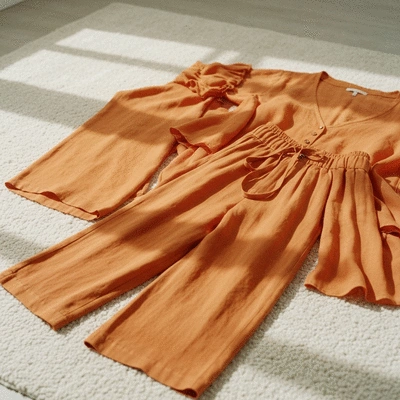
Did you know? Opting for breathable, loose-fitting fabrics, such as cotton or linen, can significantly reduce the risk of heartburn. These materials allow for better airflow and less pressure on your abdomen, promoting a more comfortable experience throughout the day.
Frequently Asked Questions About Tight Clothing and Heartburn
- Q: How does tight clothing cause heartburn?
- A: Tight clothing, especially around the waist, increases pressure on the abdomen. This pressure can push stomach acid back up into the esophagus by weakening the lower esophageal sphincter, leading to heartburn.
- Q: Can tight clothing worsen existing acid reflux or GERD?
- A: Yes, tight clothing can significantly exacerbate symptoms of existing acid reflux or GERD by increasing abdominal pressure and making it easier for stomach contents to reflux.
- Q: What is meralgia paresthetica, and how is it related to tight clothing?
- A: Meralgia paresthetica is a condition characterized by numbness, tingling, or pain in the outer thigh. It is caused by compression of the lateral femoral cutaneous nerve, which can occur due to tight-fitting garments like restrictive waistbands or belts. For more information, see this article on meralgia paresthetica.
- Q: What types of clothing are best for preventing heartburn?
- A: Loose-fitting clothing made from breathable fabrics like cotton or linen is recommended. Avoid tight waistbands, restrictive belts, and compression garments that put pressure on your abdomen.
- Q: Are there gender-specific impacts of tight clothing on heartburn?
- A: While the physiological effects are similar for everyone, clothing styles tend to differ by gender. Women might wear fitted dresses or pants, and men might wear fitted shirts or tight belts, both of which can lead to increased abdominal pressure and heartburn symptoms. Understanding these common choices can help individuals make better decisions.
- Q: Besides loose clothing, what other measures can help manage heartburn?
- A: In addition to choosing comfortable clothing, home remedies like ginger tea, aloe vera juice, and chewing gum can help. It's also beneficial to stay upright for at least 30 minutes after meals and consult a healthcare professional for personalized advice.
Summary of Key Insights on Tight Clothing and Heartburn
As we’ve explored, the connection between tight clothing and heartburn is quite significant! From the physiological effects of abdominal compression to the nuanced role of specific clothing choices, it’s clear that what we wear can impact our digestive health. By understanding these connections, we can make informed decisions to alleviate heartburn symptoms and improve our overall comfort. Understanding how tight clothes affect your health is key to overall wellness.
To summarize, here are some key insights:
- Abdominal Compression: Tight clothing can increase pressure on the abdomen, leading to acid reflux and discomfort.
- Hiatal Hernia Risks: Certain garments may contribute to the development or exacerbation of hiatal hernias, which can aggravate acid reflux.
- Nerve Compression: Conditions like meralgia paresthetica can arise from tight clothing, leading to nerve entrapment and discomfort.
- Circulation and Posture: Poorly fitting outfits can hinder circulation and lead to posture issues that may impact digestion.
Final Thoughts on Choosing Comfort Over Style
Ultimately, comfort should take precedence over fashion when it comes to managing heartburn. I encourage you to think about how your clothing choices affect your digestive health. Opting for loose-fitting and breathable fabrics can significantly reduce the likelihood of experiencing heartburn. Remember, feeling good in your clothes can have a ripple effect on your well-being!
Consider this: how often do you rush out wearing something that feels too tight just to keep up with trends? Breaking that habit can lead to a more comfortable, enjoyable day-to-day experience.
Get Expert Advice: Consult a Healthcare Professional
Never underestimate the value of seeking professional guidance! Consulting with a healthcare provider can provide you with personalized insights tailored to your specific situation. They can help identify not only the best clothing choices but also the most effective strategies for managing your heartburn symptoms.
So, don’t hesitate to reach out to a gastroenterologist or your primary care physician. Having a conversation about your symptoms and lifestyle can pave the way for effective management solutions.
Home Remedies and Preventative Measures for Heartburn Management
In addition to making thoughtful clothing choices, incorporating certain home remedies can further alleviate heartburn. Here are some effective measures to consider:
- Ginger Tea: This natural remedy can soothe your stomach and reduce inflammation.
- Aloe Vera Juice: Known for its soothing properties, it may help calm an irritated esophagus.
- Chewing Gum: This can stimulate saliva production, which may help neutralize stomach acid.
- Staying Upright: After meals, remain seated for at least 30 minutes to prevent acid reflux.
These simple lifestyle changes, paired with suitable clothing, can make a world of difference in managing heartburn. By taking proactive steps, you’re setting yourself up for success in your digestive health journey!
Recap of Key Points
Here is a quick recap of the important points discussed in the article:
- Abdominal Compression: Tight clothing can increase pressure on the abdomen, leading to acid reflux and discomfort.
- Hiatal Hernia Risks: Certain garments may contribute to the development or exacerbation of hiatal hernias, which can aggravate acid reflux.
- Nerve Compression: Conditions like meralgia paresthetica can arise from tight clothing, leading to nerve entrapment and discomfort.
- Circulation and Posture: Poorly fitting outfits can hinder circulation and lead to posture issues that may impact digestion.
- Comfort Over Style: Opting for loose-fitting and breathable fabrics can significantly reduce the likelihood of experiencing heartburn.