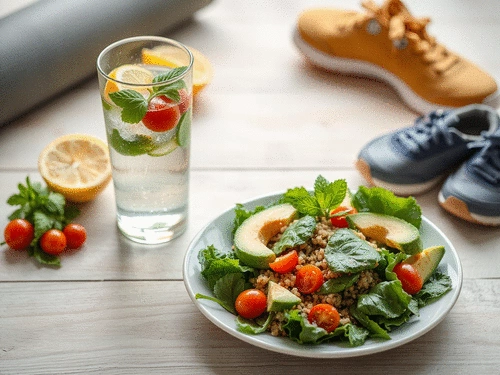
What if the secret to a happier gut lies in your daily routine? Research shows that regular exercise can not only help you feel better physically but also transform your digestive health. In this article, we explore the powerful relationship between exercise and digestion, and how you can incorporate movement into your life for a healthier gut.
What You Will Learn
- Exercise enhances digestive motility, helping food move through your system more efficiently.
- Regular physical activity can reduce stress levels, which positively impacts gut health.
- Different types of exercise affect digestion uniquely, with low-impact activities often being the most beneficial.
- Engaging in regular exercise may help manage common digestive disorders like IBS, GERD, and constipation.
- A diverse range of exercises, including resistance training and aerobic activities, can improve gut health.
- Physical activity can increase microbial diversity in the gut, contributing to better overall health.
The Impact of Exercise on Digestive Health
This visual outlines how different types and intensities of exercise contribute to better digestive function and overall gut health.
Low-Impact Activities
- Yoga (stress relief, motility)
- Walking (aids digestion, reduces bloating)
- Swimming (gentle, full-body)
Exercise Intensity
- Moderate (enhances function)
- High-Intensity (may cause discomfort post-meal)
- Listen to your body
Gut Motility & Blood Flow
- Improved Motility (speeds food passage)
- Reduced Stress (happier gut)
- Increased Blood Flow (enhances function)
Gut Microbiome Benefits
- Diversity Boost (healthier flora)
- Anti-Inflammatory Effects
- Enhanced Metabolism
Understanding the Connection Between Exercise and Digestive Health
When we think about exercise, our minds often jump to weight loss or muscle gain. But did you know that staying active plays a crucial role in our digestive health? In my practice, I’ve seen how regular physical activity can transform not just how we look, but how our gut feels! Let's dive into the fascinating relationship between exercise and digestive function.
Exercise enhances our body's digestive motility, which means it helps in moving food through the digestive tract more efficiently. This is particularly important for those of us struggling with issues like constipation or bloating. But it's not just about movement; it's also about the type of exercise we engage in!
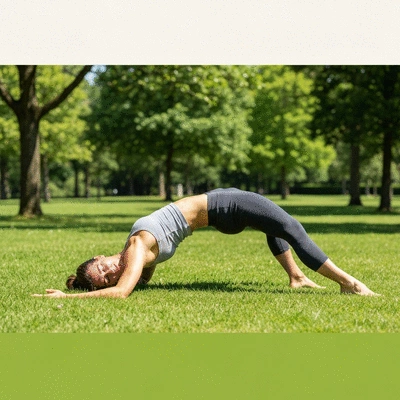
How Exercise Impacts Digestive Motility and Gut Health
Physical activity stimulates the muscles of the gastrointestinal tract, making digestion smoother and more effective. Here are a few ways exercise contributes to gut health:
- Improved Motility: Regular movement can speed up the passage of food through the digestive system.
- Reduced Stress: Exercise is a natural stress reliever, and lower stress levels can lead to a happier gut.
- Increased Blood Flow: Physical activity boosts blood circulation, which can enhance digestive function.
In my experience at Heartburn Health Hub, individuals who incorporate regular exercise into their routines often report fewer gastrointestinal issues. It’s truly amazing how a bit of movement can make a big difference!
Exploring the Relationship Between Physical Activity and Gastrointestinal Function
Let’s take a closer look at how different types of exercise affect our gut. For instance, low-impact activities like walking or yoga can ease digestive discomfort and promote relaxation. Conversely, high-intensity workouts might temporarily slow digestion, especially right after a meal. It’s all about finding what works for you!
Remember, each body is unique, so it’s essential to listen to yours. If you notice that certain exercises seem to trigger discomfort, consider adjusting your routine. The key is to find a balance that keeps your gut happy!
The Role of Exercise in Managing Common Digestive Disorders
For many people, exercise can be a game changer in managing digestive disorders like Irritable Bowel Syndrome (IBS), Gastroesophageal Reflux Disease (GERD), and constipation. Here are some specific benefits:
- IBS Relief: Regular physical activity can help regulate bowel movements and reduce symptoms.
- GERD Management: Exercise encourages weight management, which can lessen the frequency of reflux symptoms.
- Constipation Prevention: A consistent exercise routine promotes gut motility, making it easier to pass stool.
At Heartburn Health Hub, I often advise my patients to incorporate moderate exercise into their daily routine. It's an effective way to enhance overall digestive health and manage symptoms. Just a brisk walk can be incredibly beneficial!
Specific Benefits for Conditions Like IBS, GERD, and Constipation
What I love about exercise is its versatility when it comes to digestive health. Whether you’re dealing with a chronic condition or just looking to improve your gut function, there’s a level of activity for everyone. I encourage you to explore different forms of exercise—like swimming, biking, or even dancing—to see what feels best for your body.
In the end, the most important thing is to keep moving, find joy in your activity, and remember that each step you take is a step toward better digestive health!
The Influence of the Gut Microbiome on Digestive Health
Have you ever heard of the gut microbiome? It’s a treasure trove of bacteria that plays a critical role in our digestive health. Exercise not only helps improve gut motility but can also positively influence the microbiome. Research shows that physical activity can lead to a more diverse gut flora, which is beneficial for digestion. According to a study published by the National Institutes of Health (NIH), exercise has a notable impact on gut microbiota composition and function.
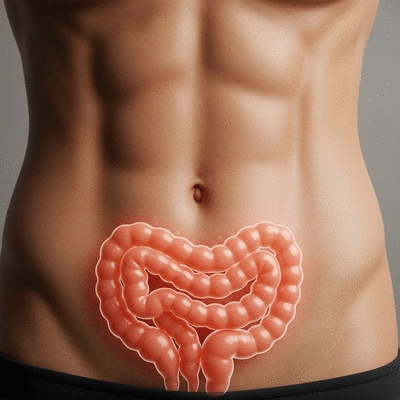
So, what exactly can exercise do for our microbiome? Here’s what I’ve learned:
- Diversity Boost: Regular physical activity can increase microbial diversity, which is linked to better health outcomes.
- Anti-Inflammatory Effects: Exercise can help reduce inflammation in the gut, enhancing overall digestive function.
- Enhanced Metabolism: A healthier microbiome can lead to better nutrient absorption and metabolism.
These benefits highlight just how interconnected our lifestyle choices are with our gut health. By embracing regular exercise, we only support our digestive system but also nurture our gut microbiome!
How Physical Activity Affects Gut Health and Microbiota Balance
As I reflect on my journey in gastroenterology, it’s clear that exercise is one of the pillars of maintaining a healthy gut. It’s a simple yet effective way to enhance our digestive health and support our body’s natural processes. So, let’s keep moving, stay active, and embrace the benefits of a well-rounded exercise routine!
Pro Tip
To maximize the benefits of exercise on your digestive health, consider adding a post-meal walk to your routine. Just 10-15 minutes of light walking after eating can help stimulate digestion, reduce bloating, and improve overall gut function. Plus, it’s a great way to clear your mind and enjoy some fresh air!
Identifying the Right Types of Exercise for Digestive Wellness
When it comes to promoting digestive wellness, choosing the right type of exercise can make a world of difference. Everyone's body is unique, and finding activities that align with your lifestyle and health needs is essential. In this section, I’ll share some effective exercises that you can incorporate into your routine to support your digestive health.
Low-Impact Activities That Support Digestive Health
Low-impact exercises are fantastic for promoting digestion without putting too much strain on your body. Here are some of my favorites:
- Yoga: Gentle yoga poses can help alleviate stress and stimulate digestion. Poses like the Cat-Cow or Child's Pose are great for this purpose.
- Walking: A simple walk after meals can aid digestion and reduce bloating. Aim for at least 30 minutes a day if you can!
- Swimming: This is a fantastic, low-impact option that works your entire body while being gentle on your joints. Plus, it can help you relax.
Engaging in these activities regularly can help you feel more comfortable and energized, paving the way for better digestive health! Remember, consistency is key, so find what you enjoy and stick with it.
Understanding Exercise Intensity and Its Effects on Digestion
The intensity of your workouts can also impact how your body digests food. It’s important to find a balance that works for you. Here’s what you should know:
- Moderate Intensity: Activities like brisk walking or light cycling are generally well-tolerated and can enhance digestive function.
- High Intensity: While workouts like running or circuit training can be very effective for fitness, they may cause discomfort for some individuals, especially right after eating. As noted by USC Keck Medicine, understanding how exercise intensity affects individual digestion is crucial.
- Listening to Your Body: Always pay attention to how your body responds during and after different activities. Adjust your intensity accordingly.
Finding the right intensity is crucial. It’s about knowing when to push yourself and when to take it easy. If you ever feel discomfort, it may be time to dial it back a notch!
Incorporating Resistance Training and Aerobic Exercise for Better Gut Health
Combining different types of exercise can yield significant benefits for your digestive system. Here’s how you can enhance your routine:
- Resistance Training: Lifting weights helps build muscle, which can improve metabolism and overall gut function. Start with light weights and gradually increase as you feel more comfortable.
- Aerobic Exercise: Activities like running, cycling, or dancing elevate your heart rate, boosting blood flow to the digestive organs.
- Diverse Exercise Types: Mixing both aerobic and resistance training can keep your routine fresh and engaging, while providing comprehensive benefits for your gut health. The American Journal of Managed Care highlights the importance of fitness in managing digestive diseases.
By varying your exercises, you can address different aspects of your health and keep your digestive system happy. Remember, the goal is to find a routine that feels good for you!
Frequently Asked Questions About Exercise and Digestive Health
Q1: How does exercise improve digestive motility?
A1: Exercise stimulates the muscles of the gastrointestinal tract, which helps food move more efficiently through your digestive system. This can reduce issues like constipation and bloating.
Q2: Can exercise help manage conditions like IBS and GERD?
A2: Yes, regular physical activity can significantly help manage symptoms of IBS by regulating bowel movements and reducing stress. For GERD, exercise can aid in weight management, which often lessens reflux frequency.
Q3: What types of exercise are best for digestive health?
A3: Low-impact activities like walking, yoga, and swimming are generally highly beneficial as they promote digestion without causing undue stress. Moderate-intensity exercises are also effective, but it's important to listen to your body and avoid discomfort, especially after meals.
Q4: How does exercise affect the gut microbiome?
A4: Physical activity can increase the diversity of beneficial bacteria in your gut, leading to a healthier gut flora. This can improve digestion, reduce inflammation, and enhance nutrient absorption and metabolism.
Q5: Should I avoid high-intensity exercise if I have digestive issues?
A5: High-intensity workouts can sometimes cause temporary digestive discomfort, especially if performed right after a meal. It's recommended to choose moderate-intensity exercises and adjust your routine based on how your body responds. Always prioritize comfort and listen to your body's signals.
Recap of Key Points
Here is a quick recap of the important points discussed in the article:
- Exercise Enhances Digestive Motility: Regular physical activity can help move food through the digestive tract more efficiently.
- Types of Exercise Matter: Low-impact activities like walking and yoga can ease digestive discomfort, while high-intensity workouts may temporarily slow digestion.
- Benefits for Digestive Disorders: Exercise can help manage conditions like IBS, GERD, and constipation by promoting gut motility and reducing symptoms.
- Gut Microbiome Influence: Regular physical activity can enhance gut microbiome diversity, leading to better digestion and overall health.
- Listening to Your Body: It’s important to adjust your exercise routine based on how your body responds to different activities.