Heartburn during pregnancy is not just a minor inconvenience; it’s a common experience that can be managed with the right knowledge and strategies. Learn how to navigate this challenge effectively and reclaim your comfort!
What You Will Learn
- Hormonal changes during pregnancy can relax the lower esophageal sphincter, leading to heartburn.
- Physical pressure from the growing uterus can push stomach contents upward, exacerbating discomfort.
- Adopting smaller, more frequent meals can help minimize heartburn by reducing stomach volume.
- Identifying and avoiding personal food triggers through a food diary can significantly reduce heartburn episodes.
- Natural remedies, such as ginger and coconut water, can provide soothing relief from heartburn symptoms.
Understanding Pregnancy Heartburn: Causes and Management
Heartburn during pregnancy is a common experience, driven by both physiological changes and external factors. This visual outlines the key causes and effective management strategies for expectant mothers.
Primary Causes of Heartburn
- ●
Hormonal Changes: Elevated progesterone relaxes the lower esophageal sphincter.
- ●
Uterine Pressure: Growing uterus pushes against the stomach.
- ●
Increased Gastric Acid: Higher production can exacerbate symptoms.
Key Management Strategies
- ●
Dietary Adjustments: Avoid triggers (spicy, fatty, acidic foods), eat smaller meals.
- ●
Natural Remedies: Incorporate ginger, papaya, and coconut water.
- ●
Lifestyle Changes: Stay upright after eating, identify personal triggers.
When to Seek Professional Guidance
- ●
Persistent Symptoms: Heartburn disrupting daily activities.
- ●
GERD Concerns: Frequent heartburn, regurgitation.
- ●
Personalized Advice: OB-GYN or midwife consultations are crucial.
Severity and Frequency of Heartburn
Common: Affects many expectant mothers.
Varies: From mild discomfort to severe GERD.
Understanding Heartburn During Pregnancy: What to Expect
Experiencing heartburn during pregnancy is a common issue that many expectant mothers face. It can be quite uncomfortable and often alarming, but knowing what to expect can help you manage it effectively. Let's dive into the causes, symptoms, and underlying mechanisms of pregnancy heartburn.
So, what exactly leads to this fiery sensation? Well, it’s primarily due to hormonal changes and physical pressure on the digestive system. As your body adapts to support your growing baby, understanding these changes can prepare you for what's to come!

Defining Pregnancy Heartburn: Causes and Symptoms
Heartburn in pregnancy, often characterized by a burning sensation in the chest, can stem from several key factors. Hormonal fluctuations and increased pressure on the abdomen are significant contributors. The good news is that recognizing these causes is the first step toward finding relief, as highlighted by resources like NHS guidance on indigestion and heartburn during pregnancy.
- Hormonal changes can relax the lower esophageal sphincter, allowing stomach acid to escape into the esophagus.
- Physical pressure from the growing uterus can push against the stomach, causing discomfort.
- Increased gastric acid production during pregnancy can contribute to heartburn episodes.
Aside from the burning sensation, you might also experience symptoms like regurgitation and a sour taste in your mouth. If you notice these symptoms, know that you’re not alone—many women experience this during pregnancy!
How Hormonal Changes Affect the Esophagus
During pregnancy, the body produces higher levels of hormones such as progesterone. This hormone plays a crucial role in relaxing smooth muscles, including those of the esophagus. As a result, the lower esophageal sphincter can become less effective, making it easier for stomach acid to travel back up, resulting in discomfort. This physiological change is a common reason for heartburn and acid reflux in pregnancy.
Understanding this hormonal impact can help you anticipate when heartburn may strike. For instance, if you notice that heartburn increases in the early weeks of pregnancy, it might be connected to rising hormone levels.
The Role of Uterine Pressure on Digestive Health
As your baby grows, the uterus expands and begins to exert pressure on the surrounding organs, including the stomach. This pressure can push stomach contents upward, contributing to heartburn. It's fascinating how our bodies adapt, but this also means being mindful of how much and when we eat!
To mitigate this pressure, consider adjusting your eating habits, like opting for smaller meals throughout the day. This can help reduce the volume in your stomach, making it less likely for acid to escape into the esophagus.
Understanding Gastroesophageal Reflux Disease (GERD) During Pregnancy
For some women, pregnancy heartburn can escalate into a more serious condition known as gastroesophageal reflux disease (GERD). GERD is characterized by frequent heartburn and is more prevalent during pregnancy due to the hormonal and physical changes mentioned earlier. If left unchecked, this condition can lead to more severe complications. The National Center for Biotechnology Information provides further insights into GERD, including its prevalence and management during pregnancy.
- Persistent heartburn that disrupts your daily activities.
- Symptoms that worsen at night or after meals.
- Regurgitation or the sensation of food coming back up.
If you find yourself experiencing these more intense symptoms, don’t hesitate to discuss them with your healthcare provider. They can provide tailored strategies to manage your symptoms effectively.
Practical Prevention Strategies for Heartburn Relief
Knowing how to prevent heartburn can be life-changing during pregnancy! Simple adjustments in your diet and lifestyle can make a significant difference. Let’s explore some effective strategies.
Dietary Changes to Alleviate Pregnancy Heartburn
Your diet plays a crucial role in managing heartburn. By making informed choices about what you eat, you can significantly reduce your symptoms. Here are some dietary changes to consider for alleviating pregnancy heartburn:
- Avoid spicy, fatty, and acidic foods that can trigger heartburn.
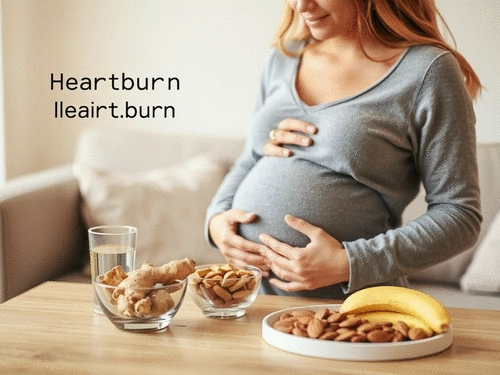
- Incorporate more yogurt, almonds, and fennel into your meals.
- Keep a food diary to identify your personal triggers.
Implementing these changes can lead to a more comfortable pregnancy experience. Remember, your body is going through a lot of changes, and the right nutrition can help!
Interactive Poll: Your Experience Matters!
Have you found any specific strategies that help you manage heartburn during pregnancy? We’d love to hear your thoughts!
Frequently Asked Questions About Pregnancy Heartburn
Q: What causes heartburn during pregnancy?
A: Heartburn during pregnancy is primarily caused by hormonal changes, specifically elevated progesterone which relaxes the lower esophageal sphincter, and physical pressure from the growing uterus pushing against the stomach. Increased gastric acid production can also contribute.
Q: What are the common symptoms of pregnancy heartburn?
A: Common symptoms include a burning sensation in the chest, regurgitation, and a sour taste in your mouth. For some, it can escalate to more persistent symptoms indicative of GERD.
Q: How can dietary adjustments help manage heartburn?
A: Avoiding trigger foods like spicy, fatty, and acidic items, eating smaller, more frequent meals, and incorporating soothing foods like yogurt and almonds can significantly reduce heartburn symptoms.
Q: Are there any natural remedies for pregnancy heartburn?
A: Yes, natural remedies such as coconut water for hydration and soothing, ginger for its anti-inflammatory properties, and papaya to aid digestion can help alleviate heartburn symptoms.
Q: When should I seek professional medical advice for heartburn during pregnancy?
A: You should consult your OB-GYN or midwife if you experience persistent heartburn that disrupts daily activities, symptoms that worsen at night or after meals, or if you suspect you have GERD (frequent heartburn and regurgitation).
Summarizing Safe Strategies for Expectant Mothers
As an expectant mother, managing heartburn during pregnancy can feel overwhelming. But don’t worry! I’m here to help you navigate this common challenge with some practical strategies. Understanding how to adapt your diet and lifestyle can make a significant difference in your comfort levels. So, let’s recap the essential strategies for alleviating heartburn during pregnancy!

Key Takeaways for Managing Heartburn During Pregnancy
Recap of Dietary and Lifestyle Changes
To effectively manage heartburn, focusing on dietary changes is crucial. Here are some key dietary and lifestyle adjustments you can incorporate:
- Limit spicy, fatty, and acidic foods that can trigger heartburn.
- Incorporate yogurt, almonds, and fennel into your meals for soothing effects.
- Keep a food diary to identify personal food triggers.
- Eat smaller, more frequent meals instead of larger ones.
- Stay upright for at least two hours after eating.
These simple adjustments can dramatically reduce your heartburn symptoms, helping you enjoy your pregnancy journey more fully!
Emphasizing Natural Remedies for Relief
Natural remedies can also play a vital role in managing heartburn. Some of my favorite options include:
- Coconut water: Hydrating and soothing for the stomach.
- Ginger: Known for its anti-inflammatory properties that can calm digestive discomfort.
- Papaya: Helps with digestion, making it easier on your stomach.
These remedies can be easily integrated into your daily diet, providing relief without the need for medications. They are not only safe but can also be delicious!
Understanding the Role of Weight Gain and Pregnancy Hormones in Heartburn
Finally, it’s essential to recognize how weight gain and hormonal changes can influence heartburn. As your baby grows, the pressure on your stomach increases, which can exacerbate symptoms. Hormones, especially progesterone, can relax the esophageal sphincter, allowing acid to escape into your esophagus. Understanding these factors can empower you to take proactive steps in managing your symptoms.
Encouraging Support and Resources for Pregnant Women
Connect with Healthcare Professionals for Personalized Guidance
Don’t forget, you don’t have to navigate this journey alone! Connecting with healthcare professionals can provide tailored advice and reassurance. Here’s why it’s vital:
Importance of Seeking Advice from Your OB-GYN or Midwife
Consulting your OB-GYN or midwife about your heartburn symptoms is a great step. They can provide individualized recommendations based on your unique health needs and comfort levels during pregnancy. I always encourage my patients to ask questions and express concerns, as open communication is key!
Resources for Further Reading and Support Groups for Maternal Health
For additional support, consider exploring resources like:
- Maternal health websites with articles on pregnancy-related heartburn.
- Local support groups where you can connect with other expectant mothers.
- Online forums for sharing experiences and tips.
These resources can offer valuable insights and a sense of community, reminding you that you're not alone in this experience!
Recap of Key Points
Here is a quick recap of the important points discussed in the article:
- Heartburn during pregnancy is often caused by hormonal changes and physical pressure from the growing uterus.
- Recognizing triggers such as spicy, fatty, and acidic foods can help in managing symptoms.
- Eating smaller, more frequent meals can alleviate pressure on the stomach and reduce heartburn episodes.
- Natural remedies like coconut water, ginger, and papaya may provide relief without medications.
- Consulting healthcare professionals for personalized guidance is crucial in managing persistent heartburn symptoms.