
Effective management of chronic digestive conditions requires understanding both the symptoms and the strategies for relief. As you navigate through the complexities of IBS and GERD, consider these essential insights that can empower you on your health journey.
What You Will Learn
- IBS and GERD are distinct conditions, each with unique symptoms and management strategies.
- Accurate diagnosis is crucial for effective treatment; consult a gastroenterologist for personalized care.
- Identify triggers and keep a symptom journal to help manage and understand your condition better.
- Dietary adjustments can significantly impact symptom relief; consider the Low-FODMAP diet for IBS.
- Behavioral therapies like Cognitive Behavioral Therapy (CBT) can be effective in managing symptoms.
- Utilize technology, such as symptom-tracking apps, to monitor your health and progress over time.
- Engage with support communities to share experiences and gain insights from others facing similar challenges.
Comparing IBS and GERD: Causes, Symptoms, and Management
Understanding the distinctions between Irritable Bowel Syndrome (IBS) and Gastroesophageal Reflux Disease (GERD) is vital for effective management. While both are common digestive conditions, they differ significantly in their characteristics and required approaches.
Understanding Chronic Digestive Conditions: IBS and GERD
Chronic digestive conditions can be incredibly challenging to navigate. Two common disorders are Irritable Bowel Syndrome (IBS) and Gastroesophageal Reflux Disease (GERD). Understanding these conditions is crucial for effective management and relief from symptoms. Both IBS and GERD can significantly impact your quality of life, but with the right knowledge and resources, you can take control.
IBS is a functional gastrointestinal disorder characterized by symptoms such as abdominal pain, bloating, and changes in bowel habits. On the other hand, GERD involves the backflow of stomach acid into the esophagus, leading to heartburn and discomfort. Identifying these conditions is the first step towards finding relief!
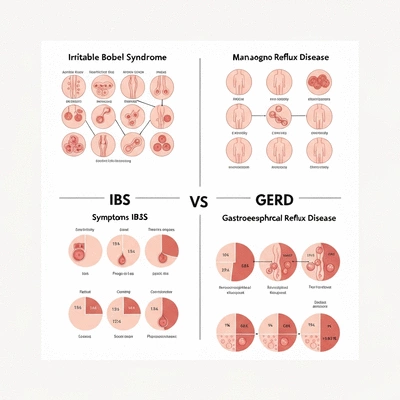
What are IBS and GERD? A Comprehensive Overview
- IBS: Affects the large intestine, causing cramping, abdominal pain, and changes in stool frequency. To learn more about inflammatory bowel disease, which includes conditions like Crohn's disease and ulcerative colitis, visit the CDC's IBD information page.
- GERD: Involves acid reflux, leading to heartburn, regurgitation, and potential damage to the esophagus.
- Symptoms Overlap: Both conditions can cause discomfort, making accurate diagnosis essential.
IBS symptoms can emerge after stressful life events or certain food triggers, while GERD is often linked to dietary choices, obesity, and certain medications. If you’re experiencing symptoms from either condition, it's important to consult a healthcare professional for tailored advice.
The Importance of Accurate Diagnosis in Managing IBS and GERD
Accurate diagnosis is crucial in effectively managing IBS and GERD. Without it, treatments may be misaligned, leading to continued discomfort. At Heartburn Health Hub, we emphasize the need for a thorough evaluation by a qualified gastroenterologist. This could include a review of medical history, symptom tracking, and diagnostic tests. For comprehensive guidelines on digestive health, you can refer to the American Gastroenterological Association.
By understanding the subtleties between IBS and GERD, we can formulate a more effective management plan. For example, dietary changes that help one condition may exacerbate the other. That's why keeping a symptom journal can be a game changer!
The Role of a Gastroenterologist in Digestive Health
A gastroenterologist plays a vital role in diagnosing and managing digestive disorders. As a seasoned gastroenterologist myself, I’ve seen firsthand how personalized care can transform a patient’s experience. These specialists conduct various tests, such as endoscopy and pH monitoring, to pinpoint issues accurately.
- Conducting thorough assessments of symptoms and medical history
- Performing diagnostic tests to identify the root causes
- Offering tailored treatment plans that address individual needs
A gastroenterologist is not only your guide in navigating IBS and GERD but also a partner in your journey toward better digestive health. Together, we can explore the most effective management strategies to improve your quality of life. Remember, you're not alone on this journey!
We Want to Hear From You!
What strategies have you found most effective in managing your IBS or GERD symptoms? Share your thoughts below:
Summarizing Effective Management Techniques for IBS and GERD
As we wrap up our exploration into managing IBS and GERD, it's essential to distill the information into actionable management techniques. I’ve had the privilege of witnessing how effective these strategies can be in my practice at Heartburn Health Hub. Here are some key takeaways to help you navigate your journey toward better digestive health:
- Identify Triggers: Keep track of foods and habits that worsen your symptoms.
- Dietary Adjustments: Implement dietary changes, such as the Low-FODMAP diet for IBS or avoiding trigger foods for GERD.
- Behavioral Therapies: Explore CBT or hypnotherapy as effective tools for managing symptoms.
- Utilize Technology: Leverage mobile apps for symptom tracking and management.
- Stay Informed: Regularly educate yourself about your condition through reputable resources. For more information on chronic digestive conditions, you can visit the NIDDK website.
By focusing on these techniques, you can take proactive steps in managing IBS and GERD effectively. Remember, understanding your body is key!

Key Takeaways from the Step-by-Step Management Guide
Throughout our discussion, we’ve emphasized the importance of a structured approach to managing these chronic conditions. Here are some pivotal points to remember:
- Personalize Your Plan: Tailor your management strategies to fit your specific symptoms and lifestyle.
- Communicate with Healthcare Providers: Keep an open dialogue with your gastroenterologist for optimal care.
- Integrate Lifestyle Changes: Consider incorporating regular exercise and stress management techniques.
- Track Your Progress: Use journals or apps to monitor symptoms and improvements.
With these takeaways in mind, you can approach your digestive health with confidence and clarity. Each small step can lead to significant improvements in your everyday life.
Frequently Asked Questions (FAQs)
Q: What are the main differences between IBS and GERD?
A: IBS primarily affects the large intestine, causing symptoms like abdominal pain, bloating, and altered bowel habits. GERD involves the esophagus, leading to acid reflux, heartburn, and regurgitation. While both are digestive conditions, their affected areas and primary symptoms differ significantly.
Q: Why is an accurate diagnosis important for managing these conditions?
A: Accurate diagnosis is critical because the management strategies for IBS and GERD can differ, and what helps one condition might worsen the other. A gastroenterologist can perform tests and an evaluation to ensure you receive the most effective and personalized treatment plan.
Q: What role does diet play in managing IBS and GERD?
A: Diet plays a significant role. For IBS, a Low-FODMAP diet is often recommended to identify and avoid trigger foods. For GERD, avoiding spicy, fatty, or acidic foods, caffeine, and large meals can help reduce symptoms. Identifying personal dietary triggers is a key management technique for both conditions.
Q: Can behavioral therapies help with IBS or GERD?
A: Yes, behavioral therapies such as Cognitive Behavioral Therapy (CBT) and hypnotherapy can be effective in managing symptoms, especially for IBS. These therapies help individuals cope with stress and modify their responses to symptoms, improving their overall quality of life.
Q: How can technology assist in managing chronic digestive conditions?
A: Technology can be a valuable tool. Symptom-tracking apps allow individuals to monitor their diet, stress levels, and symptom frequency, helping to identify personal triggers and track progress over time. This data can also be shared with healthcare providers for more informed treatment adjustments.
Taking Action: Empowering Yourself in Digestive Health
Resources for Further Learning and Support
At Heartburn Health Hub, I believe in providing you with the tools and resources necessary for success. Here are some valuable resources that can enhance your understanding and management of IBS and GERD:
- Educational Websites: Seek out reputable sites that specialize in digestive health.
- Books and Guides: Look for literature authored by experts in gastroenterology.
- Online Courses: Consider taking courses focused on nutrition and digestive health.
- Support Groups: Engage with communities where members share experiences and strategies.
Utilizing these resources can foster a deeper understanding of your condition and empower you to take control of your health journey!
Encouraging Personal Testimonials and Community Engagement
Sharing experiences can be a transformative aspect of managing IBS and GERD. When we connect with others facing similar challenges, we can find not only support but also practical solutions. Here’s why it matters:
- Inspiration: Personal stories can motivate you to try new management techniques.
- Validation: Knowing that you’re not alone can alleviate feelings of isolation.
- Resource Sharing: Community engagement often leads to discovering new strategies and resources.
So, don’t hesitate to share your journey or seek out others’ stories. Your experiences can positively impact not just your health but also the lives of those around you!
How Sharing Experiences Can Lead to Better Outcomes
Every time someone shares their journey with IBS or GERD, it creates a ripple effect of understanding and support. I encourage you to participate in discussions, whether in person or online. It’s through these shared experiences that we can learn and grow together. Plus, it can be quite therapeutic!
Connecting with Support Groups for IBS and GERD
Finding a support group focused on IBS or GERD can be incredibly beneficial. These groups provide a safe space to discuss challenges and triumphs, share resources, and gain insights from those who truly understand what you're going through. Whether you join a local meetup or an online forum, I believe you’ll find that connection makes a world of difference!
Recap of Key Points
Here is a quick recap of the important points discussed in the article:
- Understanding Conditions: IBS affects the large intestine, while GERD involves acid reflux.
- Accurate Diagnosis: It's crucial to get a proper evaluation from a gastroenterologist to tailor treatment.
- Identify Triggers: Track foods and habits that worsen symptoms for better management.
- Dietary Adjustments: Implement specific diets like Low-FODMAP for IBS and avoid trigger foods for GERD.
- Utilize Technology: Use apps for symptom tracking and management.
- Community Support: Engage with support groups to share experiences and strategies.